SAB, MULS Darkhan Delegation Participates in SA2CC Summer School in Greece
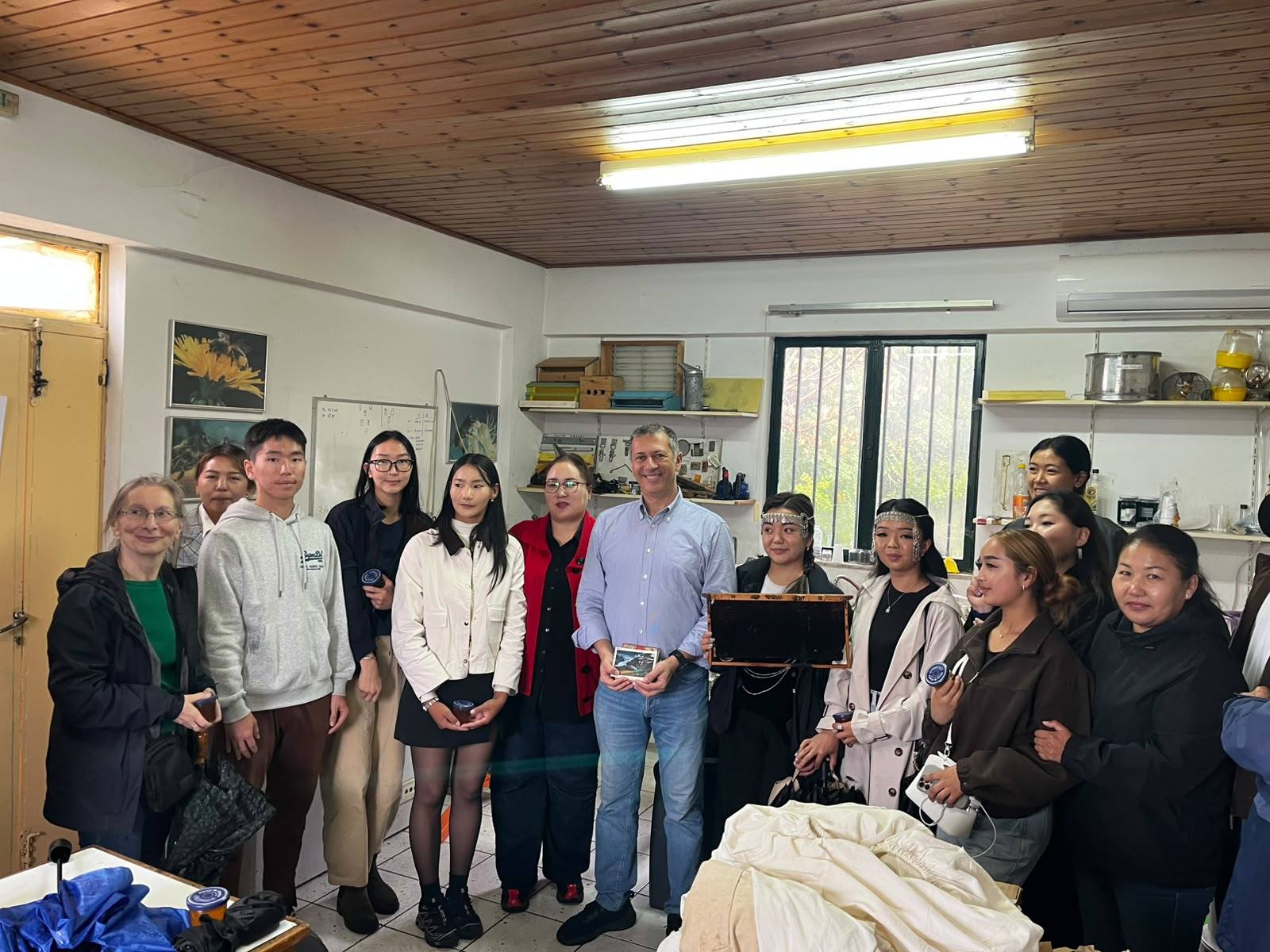
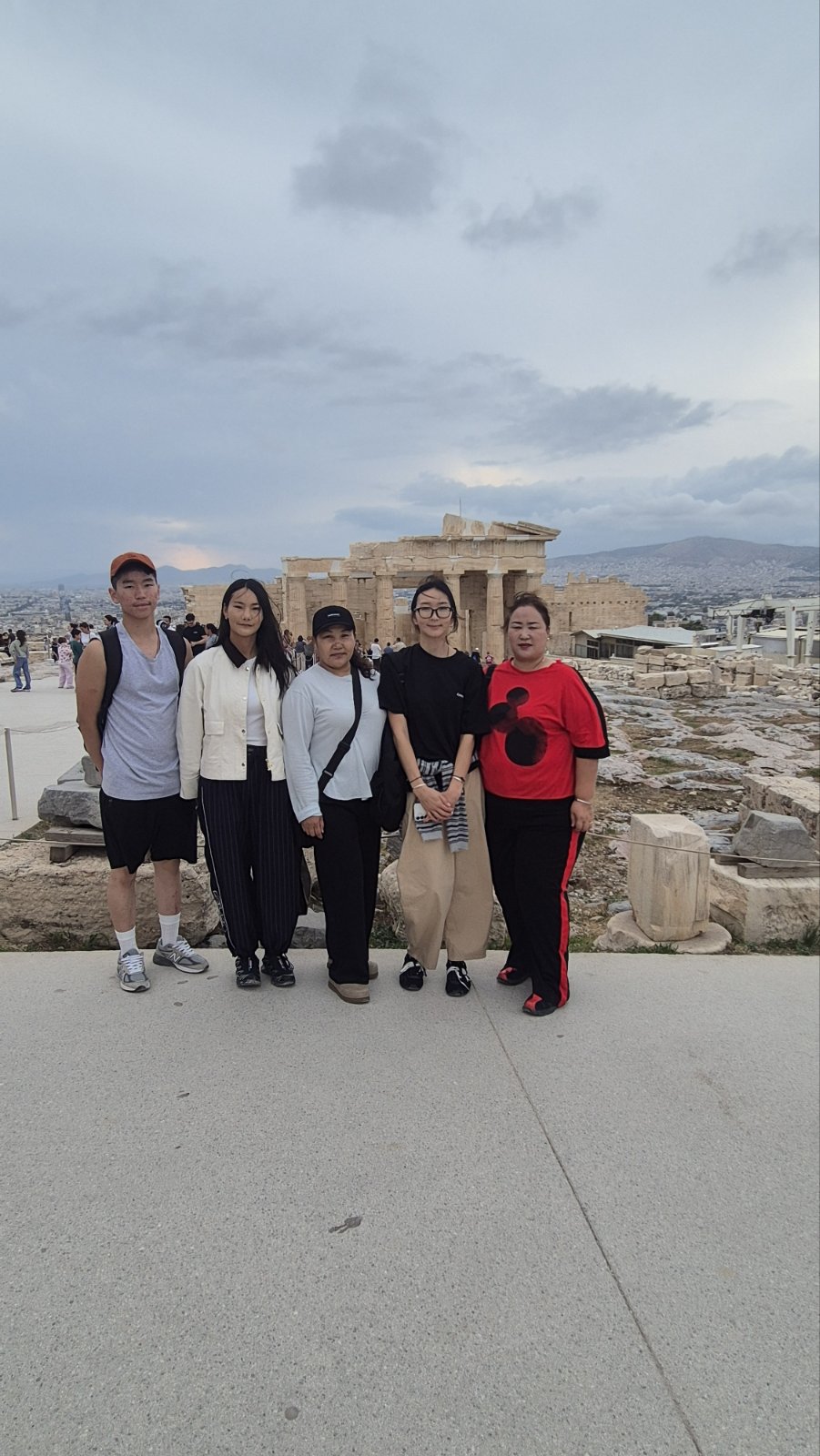
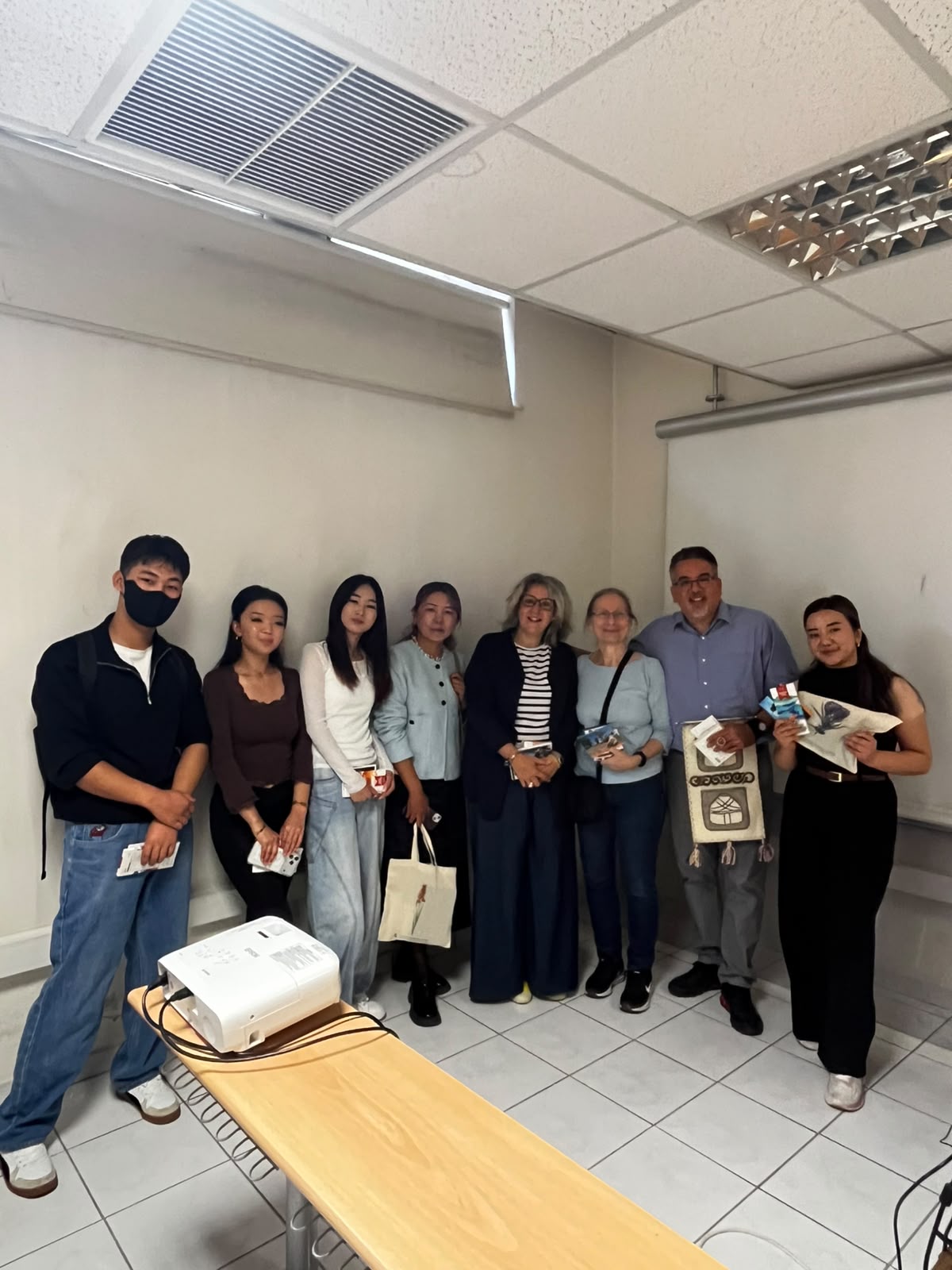
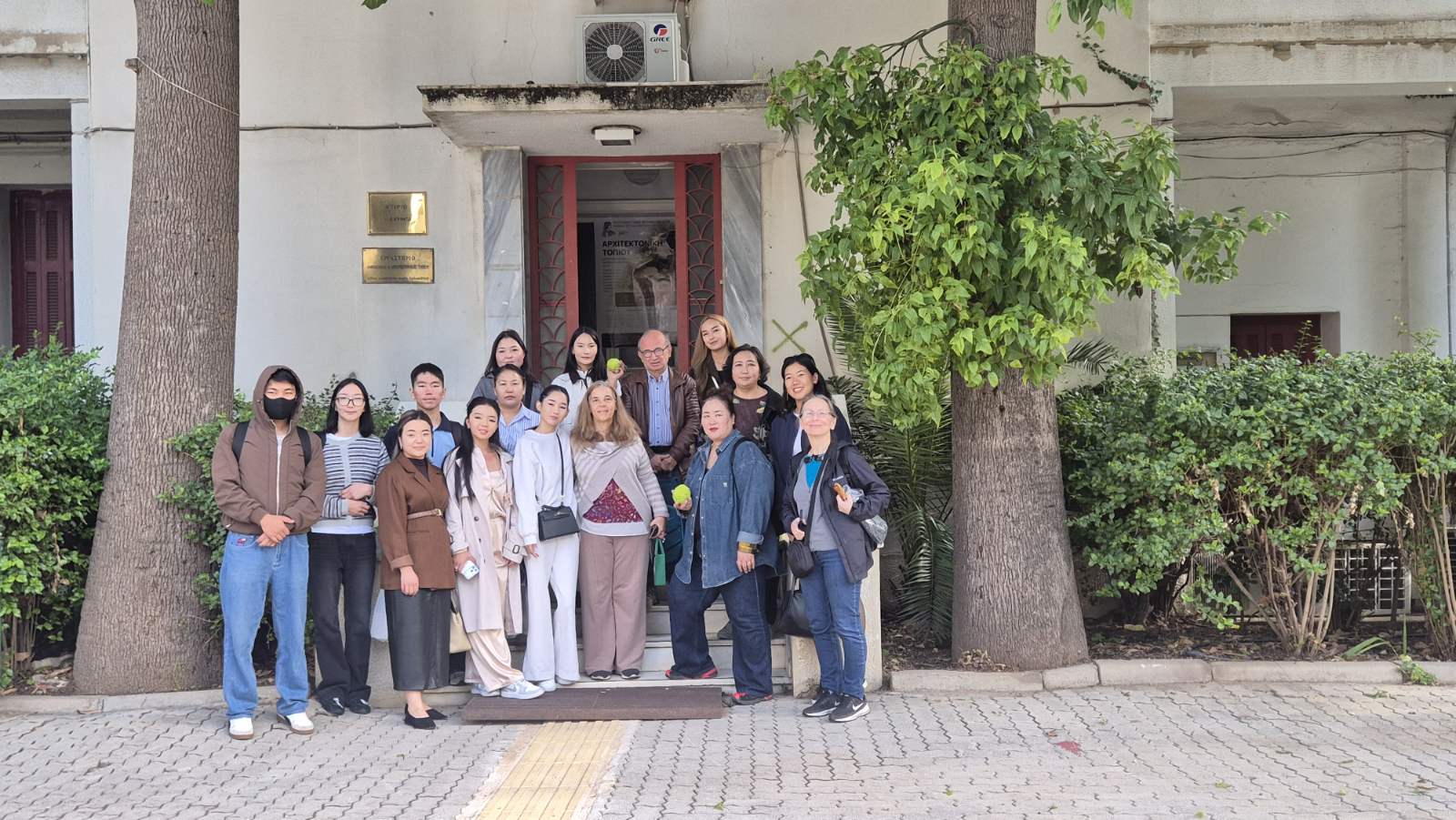
As part of the SA2CC project, funded by the European Union’s Erasmus+ Programme, a delegation from the School of Agroecology & Business of the Mongolian University of Life Sciences (MULS) in Darkhan participated in a Summer School hosted by the Agricultural University of Athens, Greece, from October 12 to 16, 2026.
The delegation was led by Dr. P. Mend-Amgalan, Dean of Research and International Cooperation at MULS Darkhan, and included D. Enkhzul, a lecturer and researcher in meteorology; T. Khulan, a graduate student in Agronomy; Kh. Oyungerel, a fourth-year undergraduate student in Agronomy; and B. Davaajargal, a third-year undergraduate student in Geodesy.
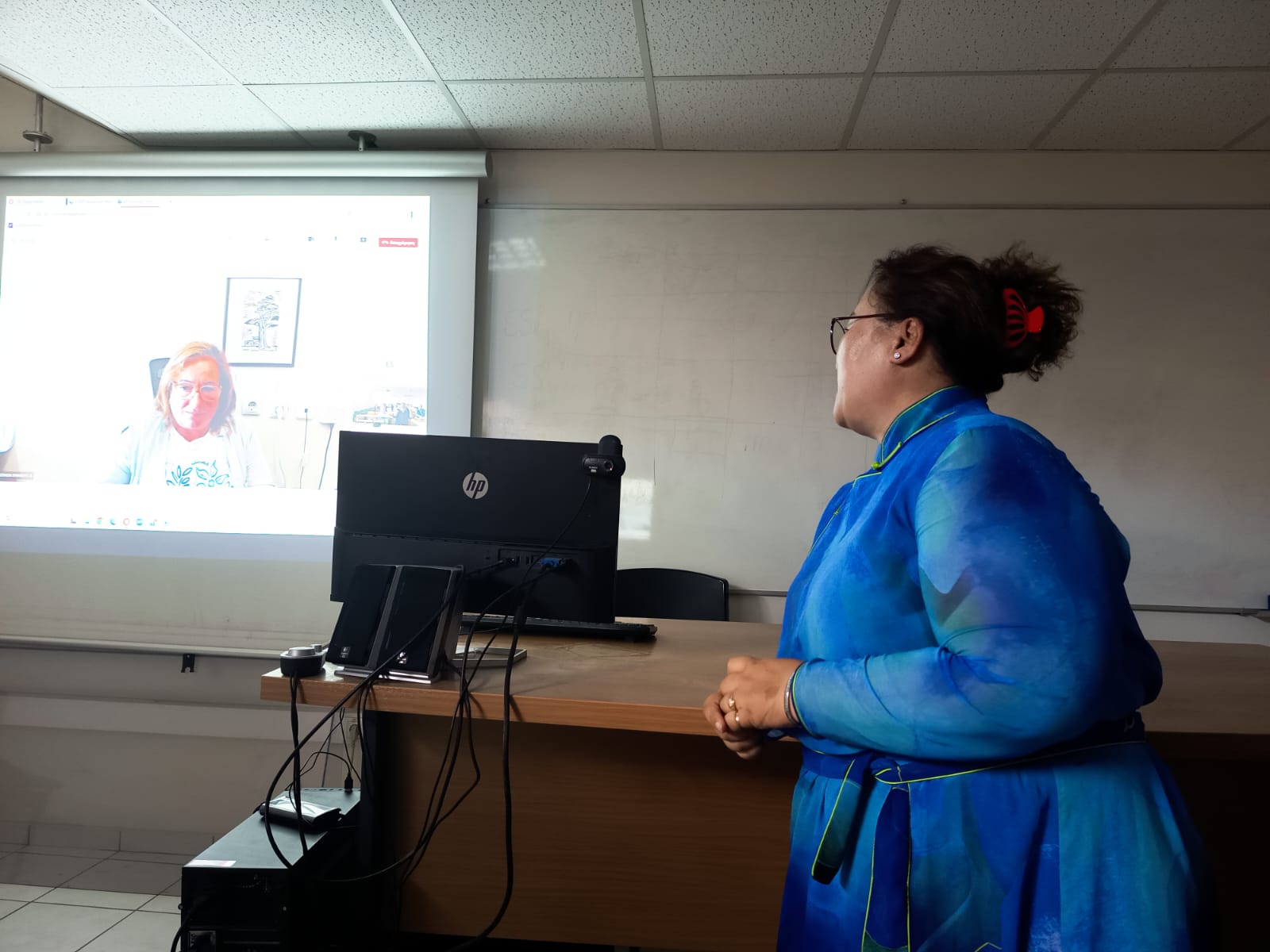
The Summer School featured lectures and training sessions delivered by professors from partner universities in Greece, Italy, and Romania, covering the following key topics:
 Crop Production and Agricultural Biodiversity – Sustainable agricultural practices and the conservation of agricultural biodiversity.
 Forestry and Climate Change – The role of forests in climate change adaptation and mitigation.
 Livestock Production and Climate Change Mitigation – Strategies and practices to reduce the climate impacts of livestock production.
 Green Skills and Climate Policy – Developing competencies for sustainable development and understanding climate-related policies.
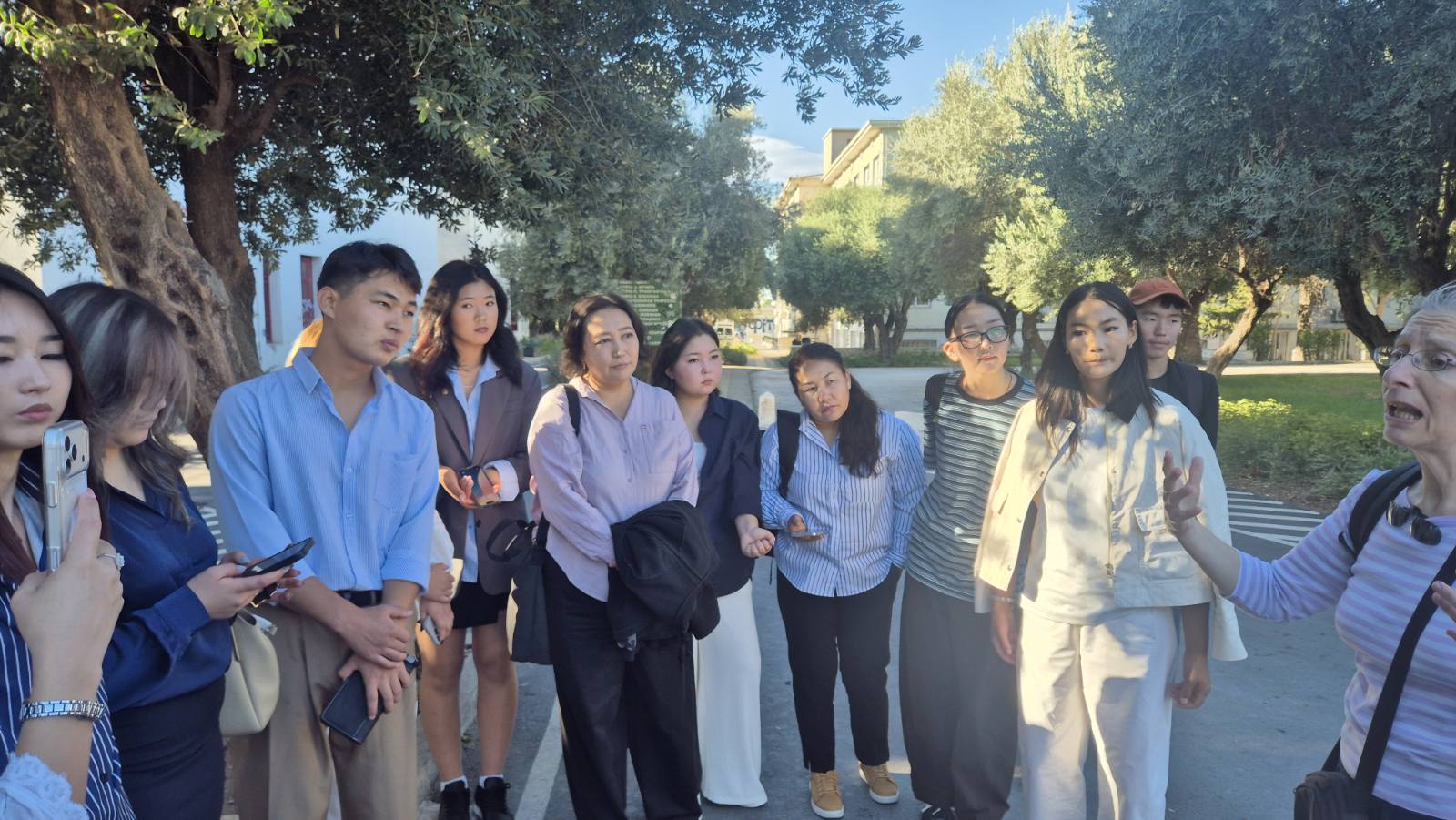
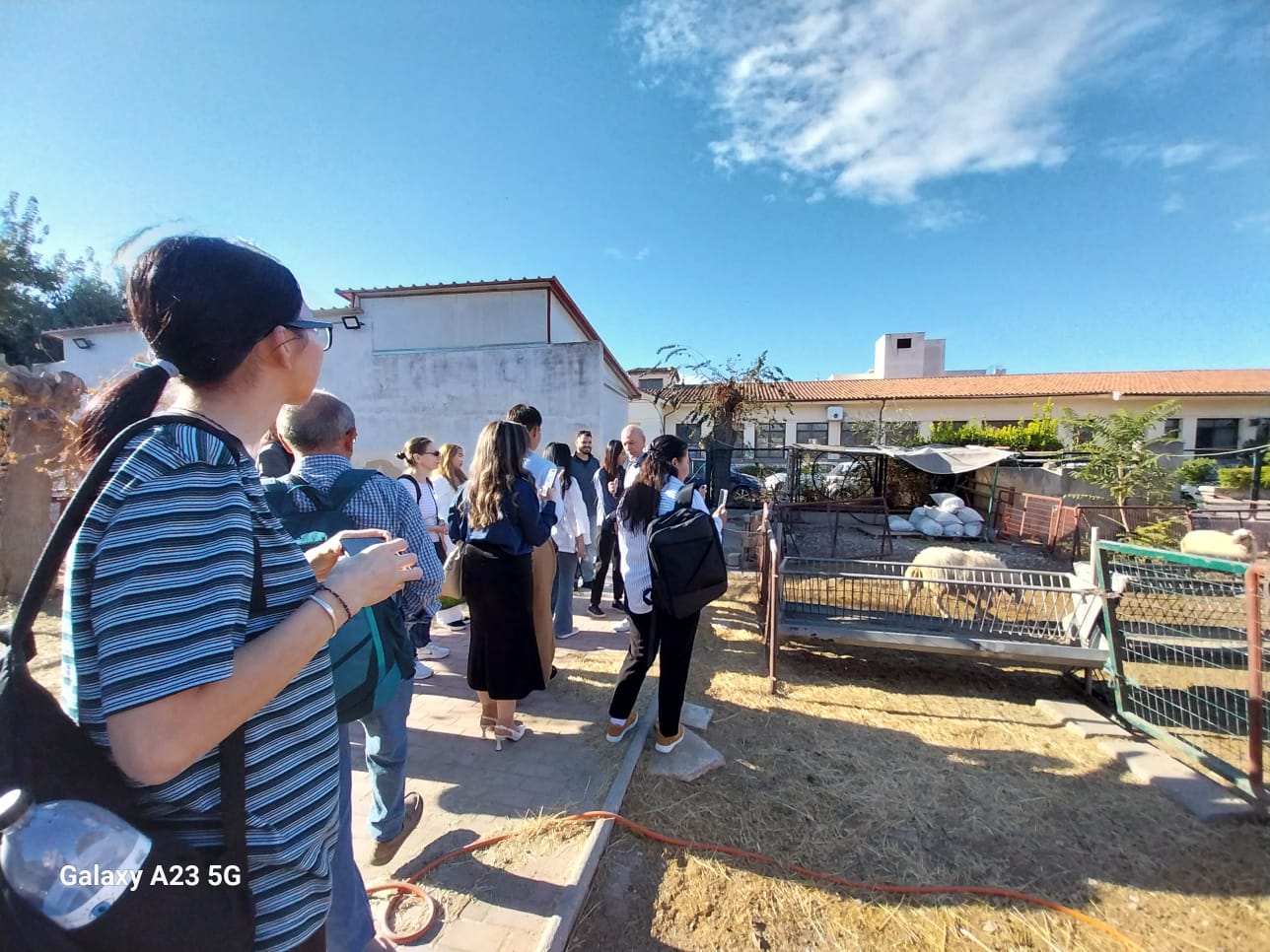
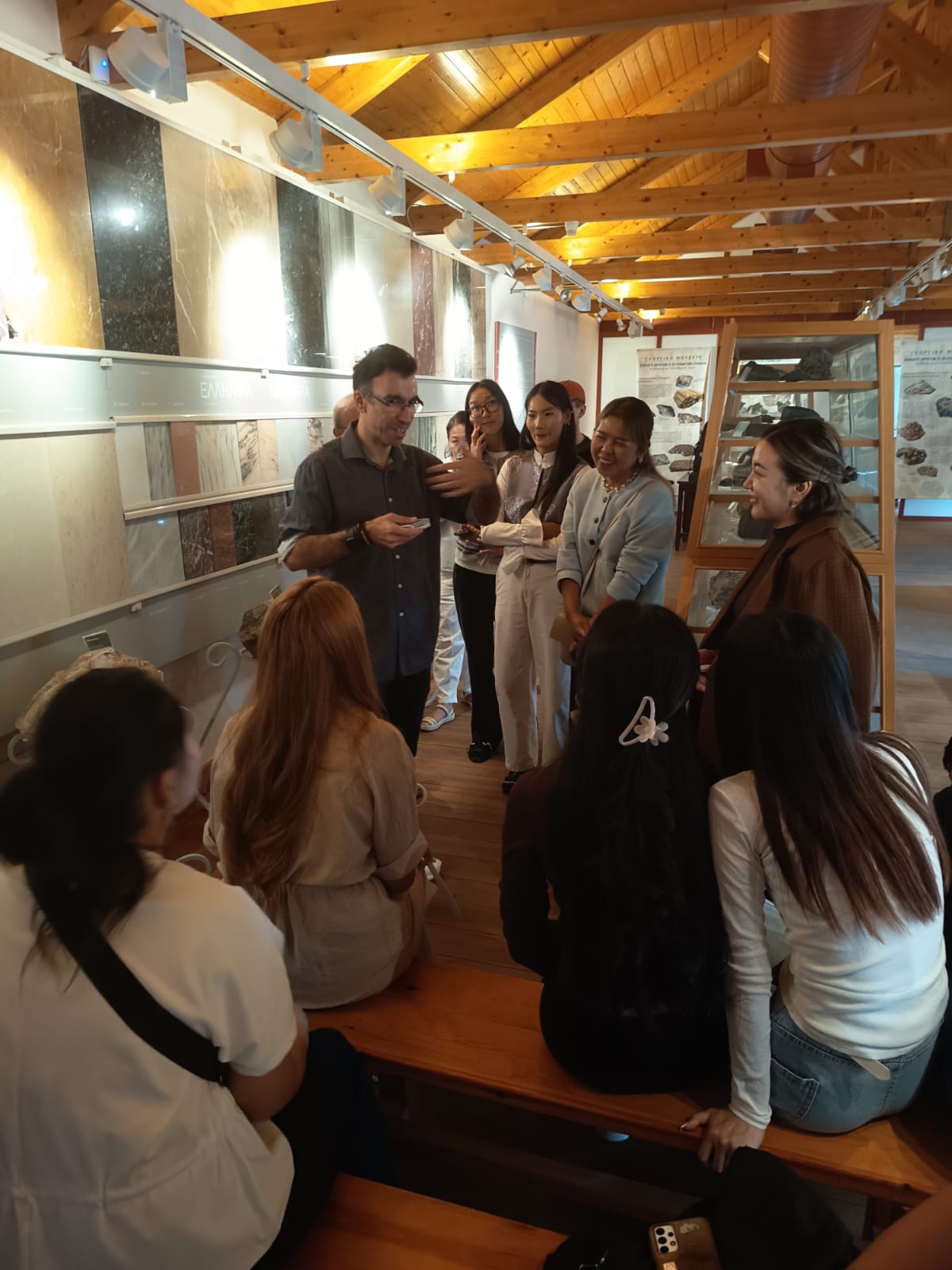
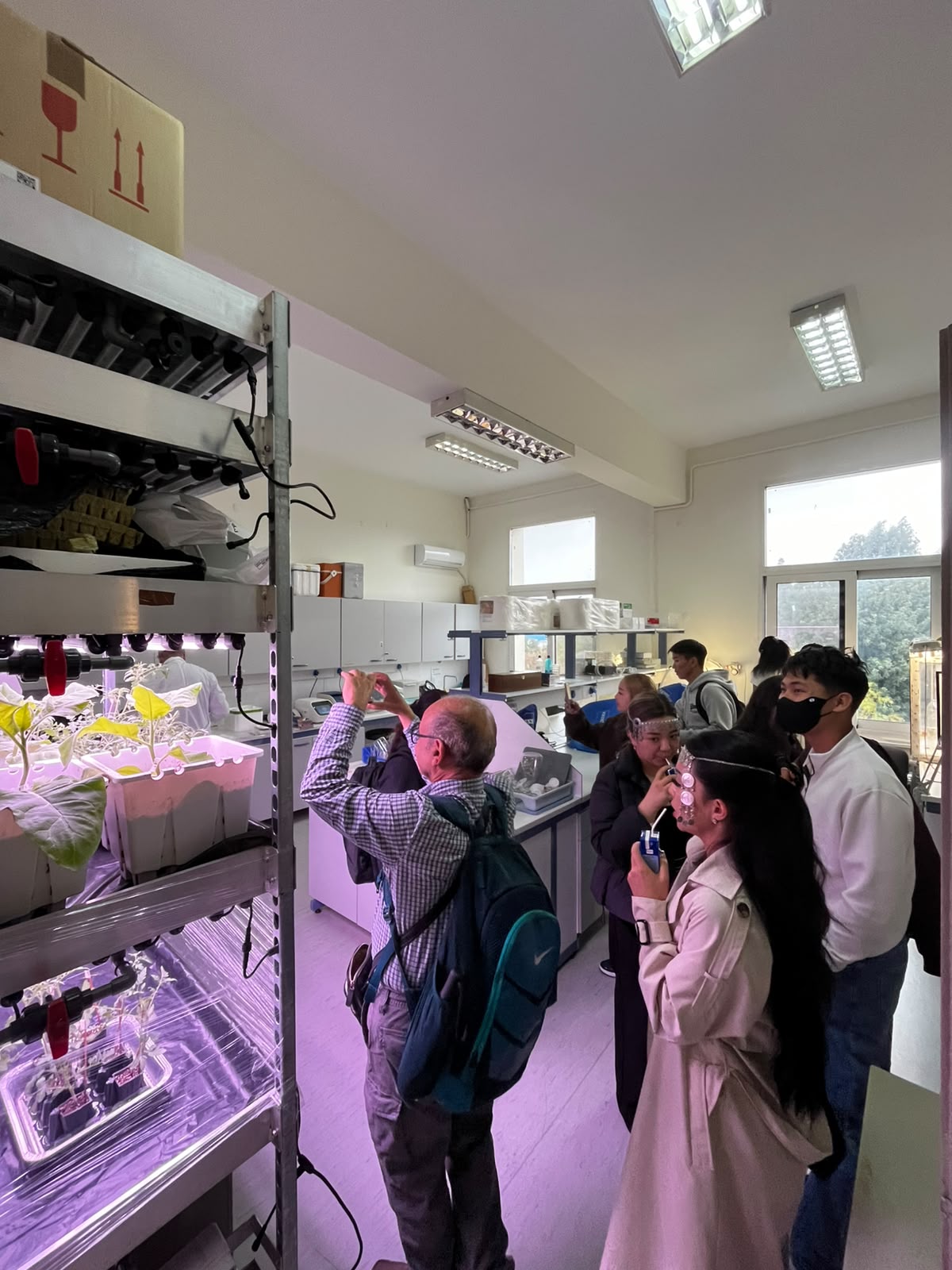
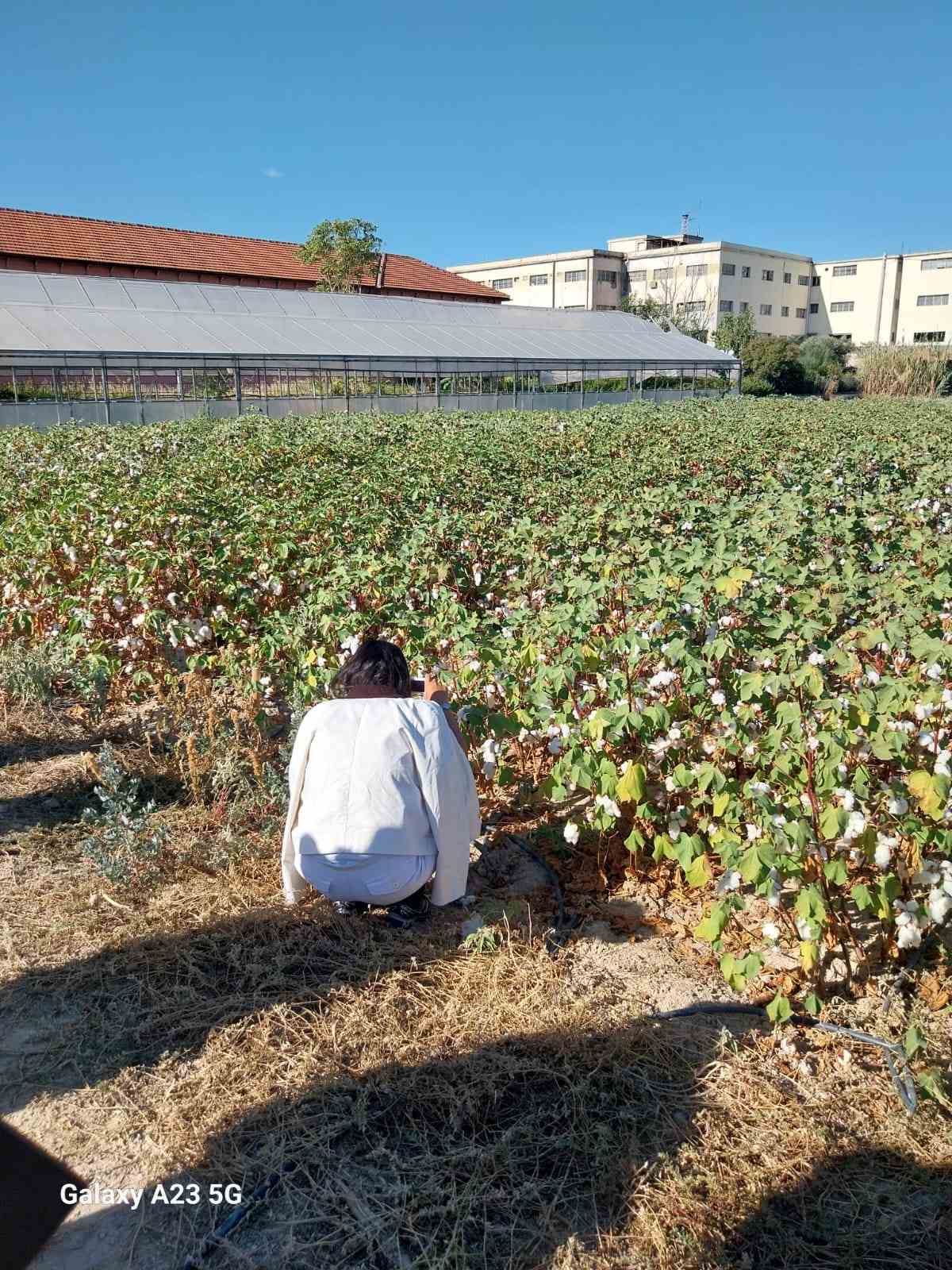
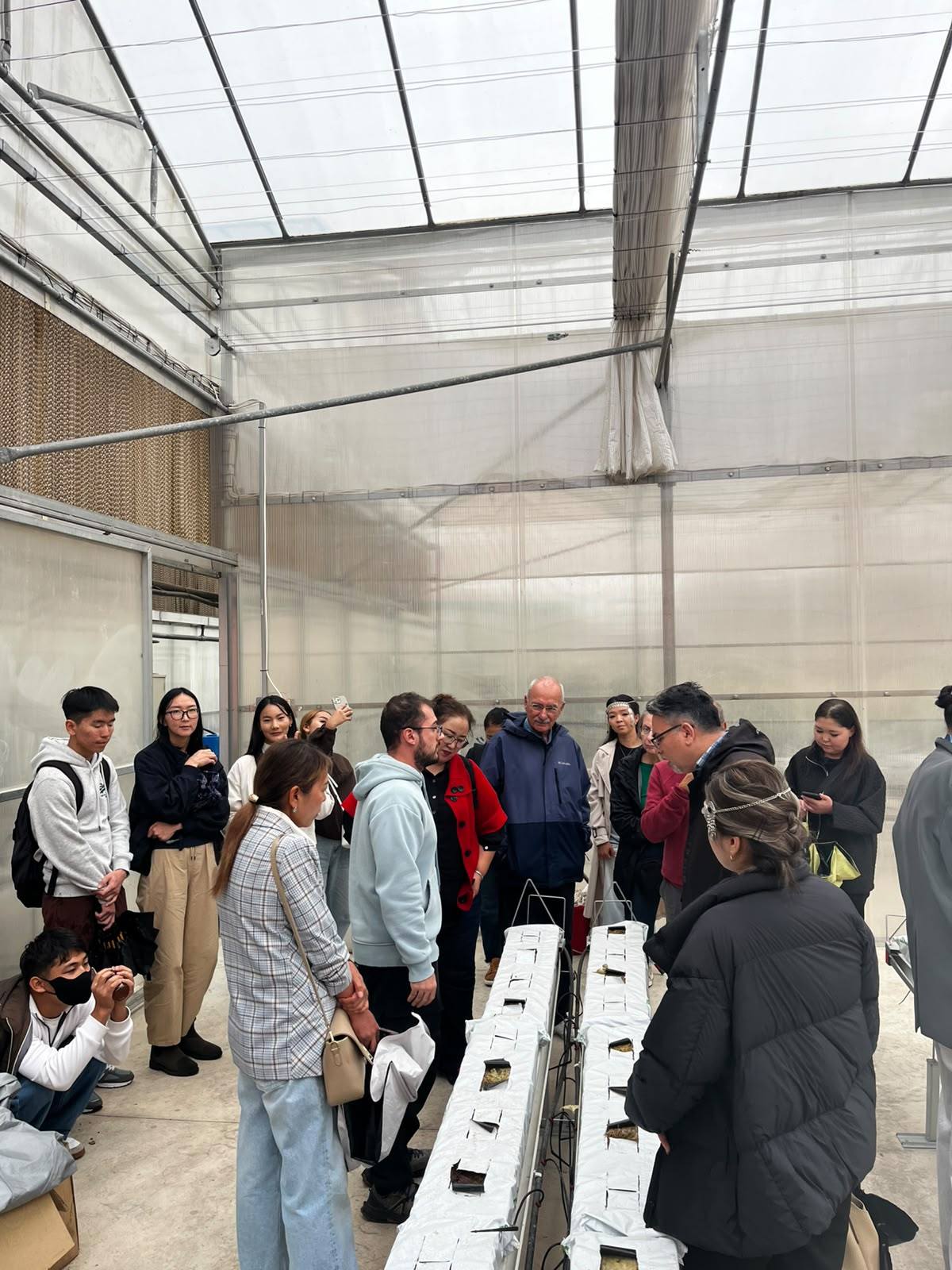
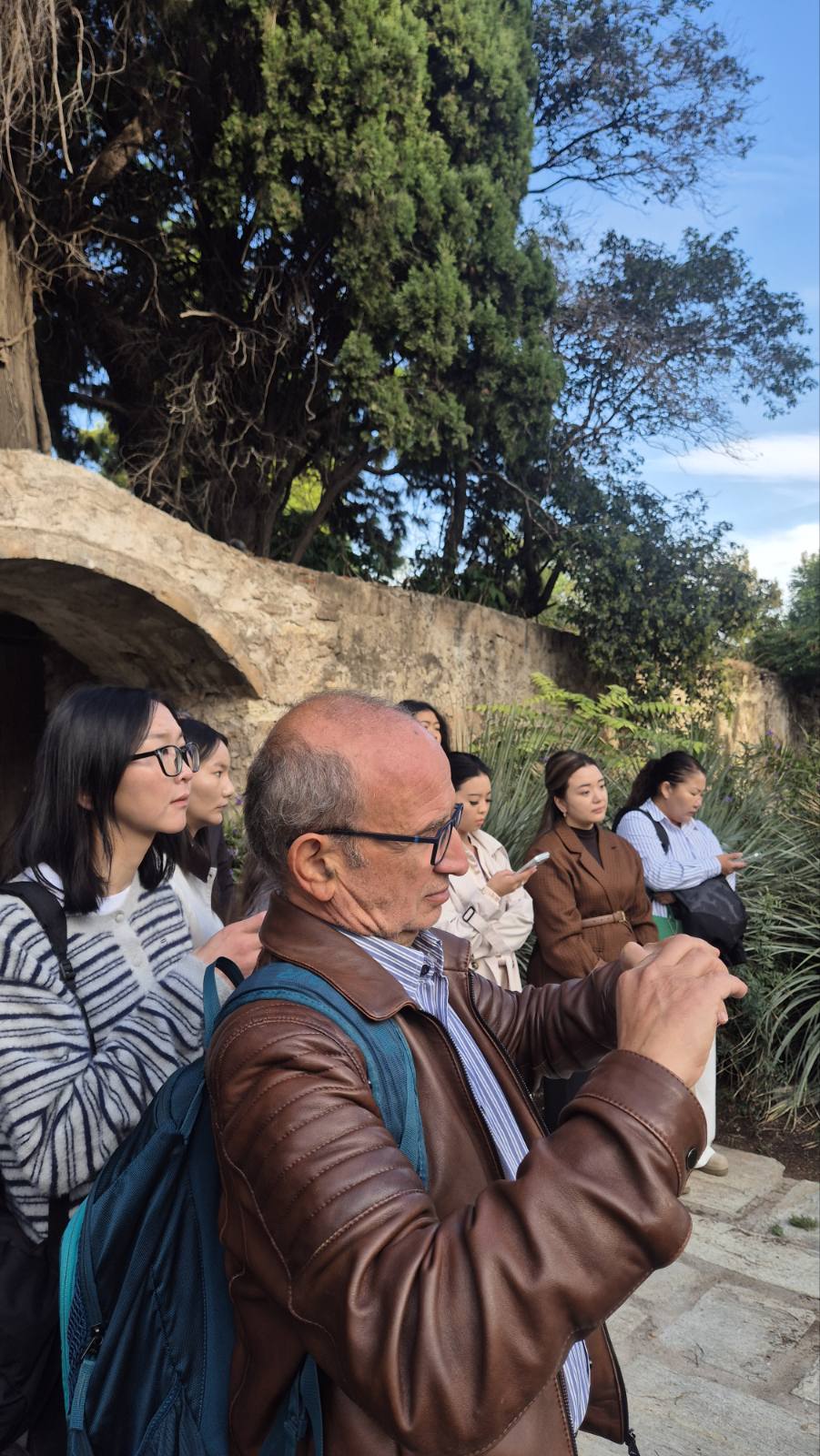
In addition to academic sessions, the programme included a guided tour of the Agricultural University of Athens campus, a field visit to agricultural experimental and research sites in the Kopaida region, and practical training activities designed to strengthen participants' knowledge and hands-on experience.
The SA2CC project aims to promote climate-resilient and sustainable agricultural, livestock, and forestry systems by fostering cooperation between European and Asian higher education institutions. The project focuses on facilitating the exchange of knowledge and best practices, strengthening institutional and human resource capacities, acquiring new expertise, and modernizing academic curricula to address the challenges of climate change.
Through this international collaboration, participating institutions seek to enhance education, research, and practical competencies in sustainable agriculture and climate change adaptation.